
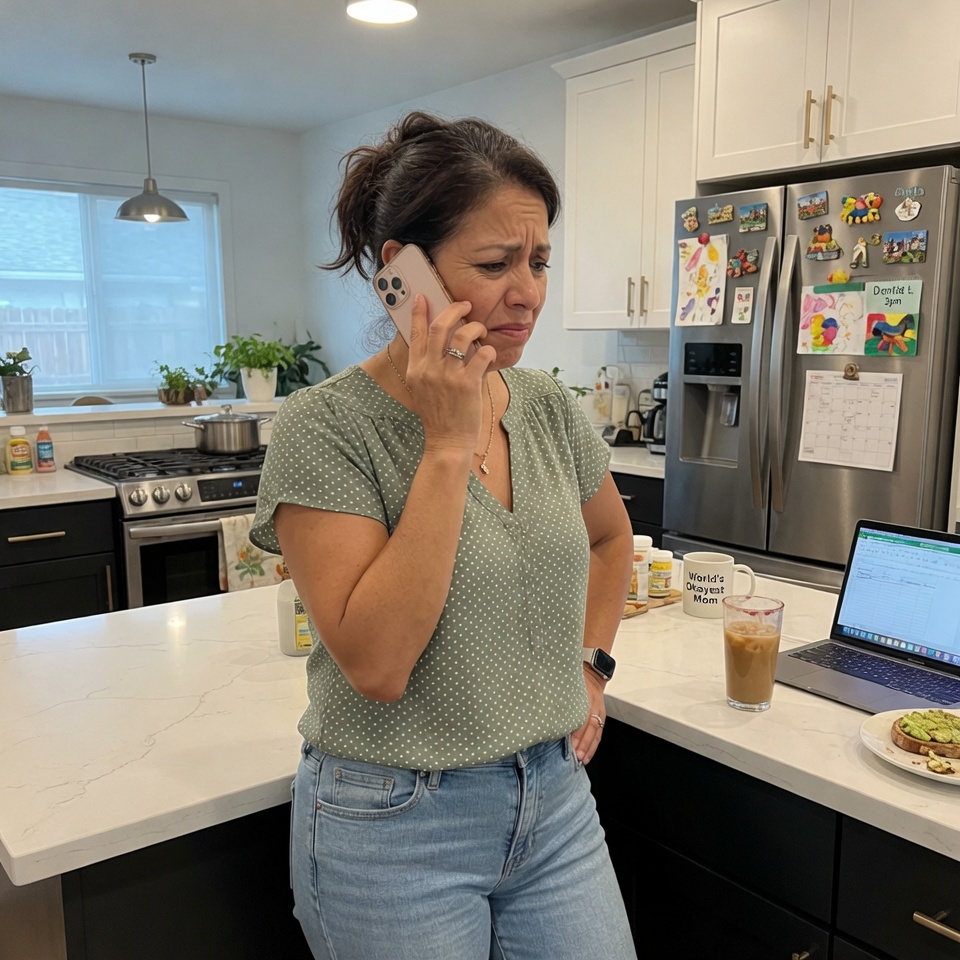
The question is rarely just about the dollars. It is a quick test that most practices fail without realizing it.
Front desks across practices hear the same question within the first minute of almost every new-patient call. “How much is that going to cost?”
The standard response has been refined over years of training: explain that fees depend on the individual case, that an exam is required, and that the doctor will go over everything in person.
That approach rests on a few reasonable assumptions:
- Treatment plans are not one-size-fits-all.
- A crown on one tooth can range widely depending on material, location, and what else is happening in the mouth.
- Giving a hard number without seeing the patient feels inaccurate and risky.
What the assumptions miss, however, is what the caller has already done before picking up the phone.
Most people who call a dental office about a specific concern have already searched online. They have seen the typical ranges for implants, Invisalign, or crowns. They are not asking for a precise, binding quote. They are checking whether this practice will deal with them directly or steer them into a longer process before revealing any numbers.
When the answer stays vague, the caller makes a fast calculation. Booking an appointment just to learn whether the work fits their budget feels like an inefficient use of time, especially when other practices in the same search results might give a clearer picture.
The hang-up is not usually dramatic. It is quiet. The person simply says they will think about it and ends the call.
The practices that keep more of these callers on the line do not promise exact prices that they cannot deliver.
They offer a realistic range for the most common version of what the patient is describing, then explain what can move the number up or down and why the exam still matters. That single piece of information is often enough to keep the conversation going and the appointment on the books.
The callers lost to vague responses are not only the ones shopping for the lowest price.
Many are patients who have already decided they need care and are simply trying to avoid unpleasant financial surprises later.
Executive Takeaway
In a market where information is easy to find and time is short, the practices that treat the price question as legitimate earn the chance to explain their value. The ones that treat it as an objection to overcome do not.