
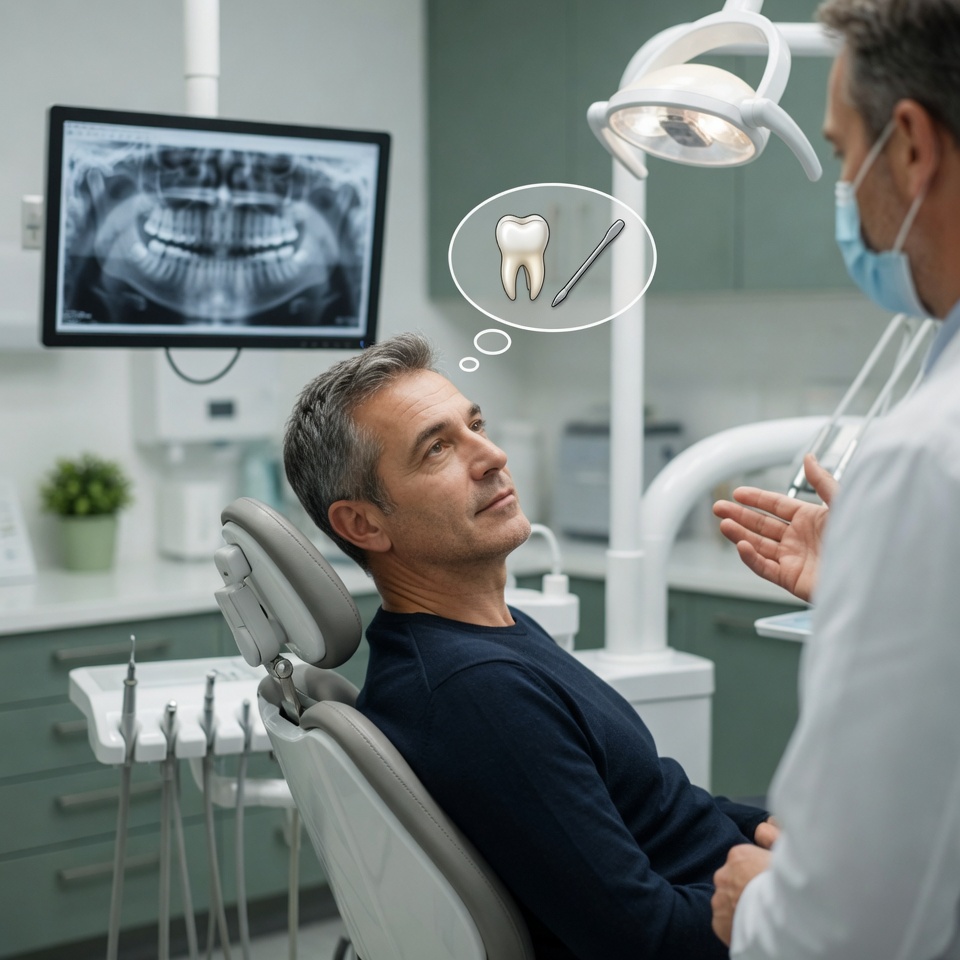
Even as surveys show rising awareness of the mouth-body connection, most patients continue to file dental recommendations under repair rather than protection. And this is a real opportunity missed for most practices.
Patients still categorize a dental visit as the place you go to fix teeth.
That framing has held steady even while national consumer research shows 91% of adults now agree oral health is a key part of overall health and 90% place preventive dental visits on the same level as annual physicals.
Most practice owners assume the barrier is awareness.
They have added diagrams, longer explanations, and references to heart disease or diabetes control, expecting that once patients see the link, non-urgent treatment will move. The assumption feels reasonable. It is also incomplete.
What actually happens in the chair is more stubborn.
Patients can agree with the general connection and still sort the specific recommendation into the same mental category as cosmetic upgrades or discretionary work.
Periodontal therapy gets deferred because nothing currently hurts. Implant discussions stretch out because the patient hears “expensive tooth replacement” rather than protection of remaining function and bone. Maintenance appointments slide when calendars fill because the cost of waiting feels distant until pain or breakage forces the issue.
Recent reports have documented the pattern clearly.
Awareness of links to specific conditions has improved in some areas, yet the same patients who nod through those explanations continue to delay care that lacks an immediate symptom.
The education is landing. The reclassification of dentistry from repair shop to ongoing health function is not.
The difference shows up most with anything that requires foresight: early perio intervention, timely implant placement before adjacent teeth shift, or even replacement of failing restorations before they become emergencies.
These cases do not fail because patients reject the science. They stall because patients have not been given a concrete reason why acting now protects something they already value more than the cost or inconvenience of waiting.
Practices seeing stronger movement on these plans have quietly changed the conversation.
They spend less time reciting general connections and more time translating the specific finding into that patient’s daily life: how the infection is already affecting comfort or efficiency, what changes in daily function if the tooth goes, or how addressing it now reduces the chance of bigger disruption later. The clinical facts stay the same. The personal stakes become visible.
The hidden cost of staying in the old frame is not lost education. It is lost momentum on the exact treatments that prevent escalation and stabilize both patient health and practice revenue.
Executive Takeaway
Patients do not need more proof that oral health matters. They need to see why this specific finding and this specific recommendation protect something they already care enough about to act on now instead of later.