
[Story Summary]
- Approximately 40–50% of dental patient leads now land outside standard 9 a.m. to 5 p.m. weekday hours, with evenings accounting for 15 to 20%, weekends 12 to 18%, and early mornings another 5 to 8%.
- 75% of callers who reach an answering machine never leave a message; 62%-67% immediately dial the next practice on their list.
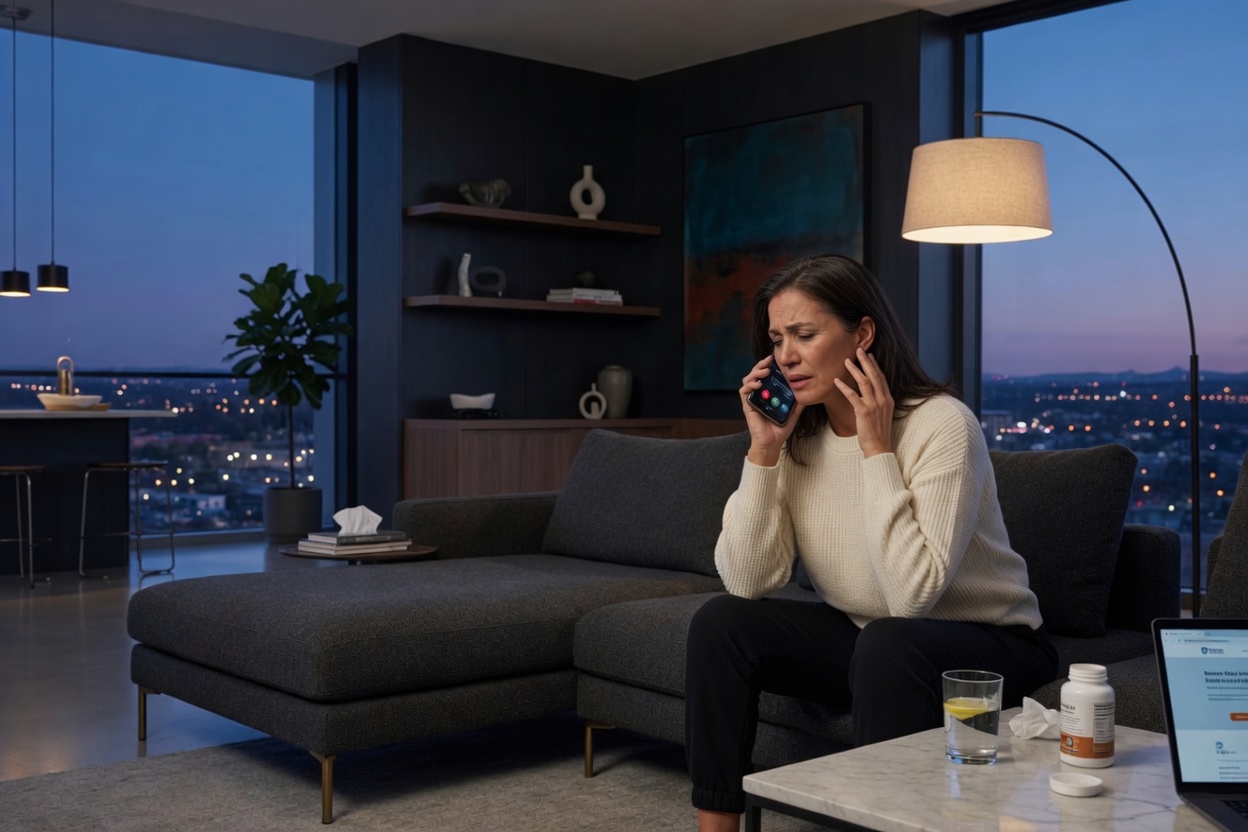
- Why? Patients frequently describe the same sequence: mild sensitivity during the workday is ignored amid meetings and commutes; once home and distractions fade, the ache sharpens. “Pain feels louder at night,” one Canadian Institute for Health Information report noted, echoing what front-desk teams hear nightly. Anxiety compounds the urgency. With no colleagues to distract them and family routines winding down, patients confront the problem head-on and reach for the phone.
[What it means for practice owners]
- Lost revenue: Each lost new-patient call represents $450–$750 in first-visit revenue and $15,000–$25,000 in lifetime value. For a typical solo practice fielding 25 to 50 calls daily, the annual leakage exceeds $78,000 in immediate revenue and can top $500,000 when lifetime production is factored in
- Huge opportunity: Practices that treat evenings and weekends as prime acquisition windows will capture a larger share of that pipeline. Those that do not risk watching their new-patient funnel shrink while competitors with live after-hours coverage or seamless digital intake quietly fill their chairs.
[Story]
When the phone rings at 7:45 p.m. on a Tuesday or a website form pings at 10:30 a.m. on Sunday, the inquiry often comes from someone who already knows the dental office doors are locked. Yet the call – or the click – arrives anyway. Industry data compiled in 2026 by dental call-analytics firms show that 40 to 50% of new-patient leads now land outside standard 9 a.m. to 5 p.m. weekday hours, with evenings accounting for 15 to 20%, weekends 12 to 18%, and early mornings another 5 to 8%.
The Nighttime Pain Paradox
Dental discomfort does not respect business hours. A 2026 analysis of emergency patterns found that 63% of dental emergencies occur outside normal office hours, and non-traumatic dental conditions drive 40 to 50% higher emergency-department visit rates during nonworking hours. Patients frequently describe the same sequence: mild sensitivity during the workday is ignored amid meetings and commutes; once home and distractions fade, the ache sharpens. “Pain feels louder at night,” one Canadian Institute for Health Information report noted, echoing what front-desk teams hear nightly. Anxiety compounds the urgency. With no colleagues to distract them and family routines winding down, patients confront the problem head-on and reach for the phone.
Work-Life Realities Fueling the Calls
Busy professionals – especially those under 40 – simply lack daytime bandwidth. Many hold jobs that mirror dental-office hours, making it impossible to call during lunch or while seated at a desk. Instead, they research symptoms on their phones during commutes, scroll treatment options after the kids are in bed, or fill out contact forms on weekends when they finally have a quiet moment. Recent 2026 dental-phone statistics confirm the pattern: 35 to 45% of new-patient calls arrive after 5 p.m., before 9 a.m., or on weekends precisely because that is when working patients have time. Younger demographics, in particular, favor mobile booking and expect 24/7 access; 82% of appointment requests now originate on smartphones.
The High Cost of Silence
Most practices remain unprepared. Solo offices miss 35 to 50% of inbound calls overall, with after-hours abandonment rates climbing to 75 to 85% when callers hit voicemail. Seventy-five percent of those who reach an answering machine never leave a message; 62 to 67% immediately dial the next practice on their list. The financial stakes are stark. Each lost new-patient call represents $450–$750 in first-visit revenue and $15,000–$25,000 in lifetime value. For a typical solo practice fielding 25 to 50 calls daily, the annual leakage exceeds $78,000 in immediate revenue and can top $500,000 when lifetime production is factored in. DSOs operating dozens of locations face multimillion-dollar shortfalls.
Technology and the New Patient Expectation
Forward-looking practices are responding with AI receptionists, automated text-back systems, and 24/7 online scheduling portals. Those that answer within three rings convert 35% more inquiries; practices offering same-day callback or instant booking see 70 to 80% retention of after-hours leads. Yet the majority still route calls to voicemail or generic “we’ll return your call Monday” messages, effectively handing prospects to competitors. The gap is widening as patients grow accustomed to instant healthcare access in every other sector.
What Happens Next
The after-hours surge is not a temporary blip. With rising demand for cosmetic and elective dentistry – implants, clear-aligner therapy, whitening – new patients arrive with higher spending power and lower price sensitivity when pain or aesthetics motivate them. Practices that treat evenings and weekends as prime acquisition windows will capture a larger share of that pipeline. Those that do not risk watching their new-patient funnel shrink while competitors with live after-hours coverage or seamless digital intake quietly fill their chairs.