
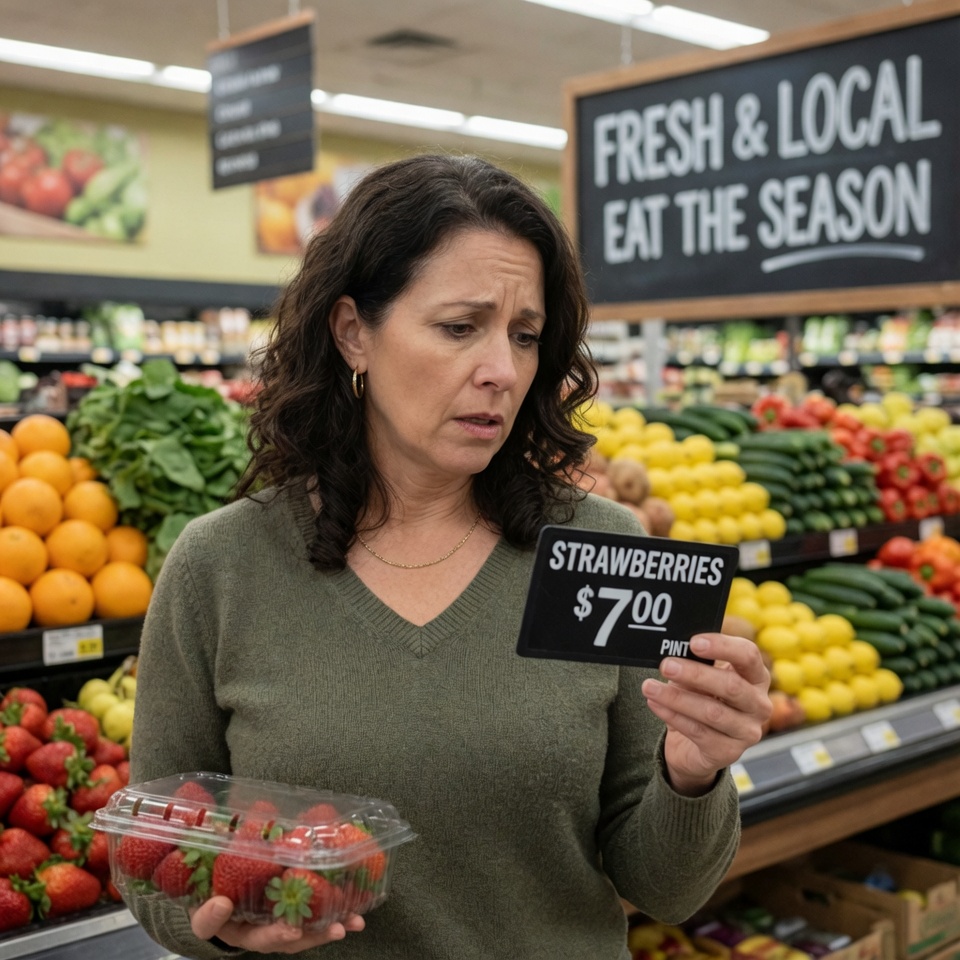
The patients who used to say yes are now running a different calculation. And it has nothing to do with your case presentation.
Most owners interpret softer implant starts as a signal that something inside the practice needs fixing.
Tighter scripting. Clearer value propositions. More flexible financing.
The assumption is that the barrier is still the same one it has always been: patients need more convincing or easier terms.
What is actually happening is simpler and harder to fix from inside the operatory.
Food-at-home prices increased 2.9% year over year through April 2026, on top of cumulative increases that have put noticeable pressure on the weekly grocery run.
For households managing that line item alongside housing and energy, a multi-thousand-dollar implant – even when spread into monthly payments – now registers as a direct draw from the same limited pool.
Overall dental spending has remained resilient, with consumer outlays up 4% into 2026, but that growth is concentrated in lower-commitment preventive and basic care.
Higher-ticket implant decisions are where the reallocation shows up.
The financing structures that used to move these cases no longer close the gap for the same patients.
The objection is no longer primarily “I can’t afford it.” It is “I cannot justify moving money away from necessities that keep rising.”
Patients are not rejecting the clinical outcome. They are protecting cash flow against a recurring essential that feels more immediate and less optional than an elective tooth replacement.
Practices that keep treating every declined consult as a sales or education shortfall are misreading the signal.
The segment still saying yes is increasingly the one whose household budget clears essentials with margin remaining. The broader middle market is doing quiet zero-sum arithmetic at home, and right now the groceries are winning more of those comparisons.
Executive Takeaway
The solution is not discounting or harder closing.
The solution is better positioning.
Big cases need to be presented in three ways:
- Necessary: not fear-based, but clearly connected to health, function, confidence, or the cost of waiting.
- Understandable: the patient must know what is happening, why it matters, what the options are, and what the path looks like.
- Financially navigable: the investment needs to feel planned, phased, financed, or otherwise manageable rather than sudden and overwhelming.