
[Story Summary]
- High-for-longer interest rates and a sharp rise in inflation expectations (4.7%) are forcing dental patients to prioritize monthly affordability over clinical outcomes at the very start of their search for care.
- Persistent borrowing costs and rising daily expenses (fuel/groceries) are eroding discretionary income, making patients highly price-sensitive and hesitant to commit to high-ticket health expenses without guaranteed financing.
- For the dental sector and DSOs, this represents a fundamental shift in the sales funnel; practices must now compete on "financial accessibility" to maintain volume in high-margin elective categories like implants and clear aligners.
[What it means for practice owners]
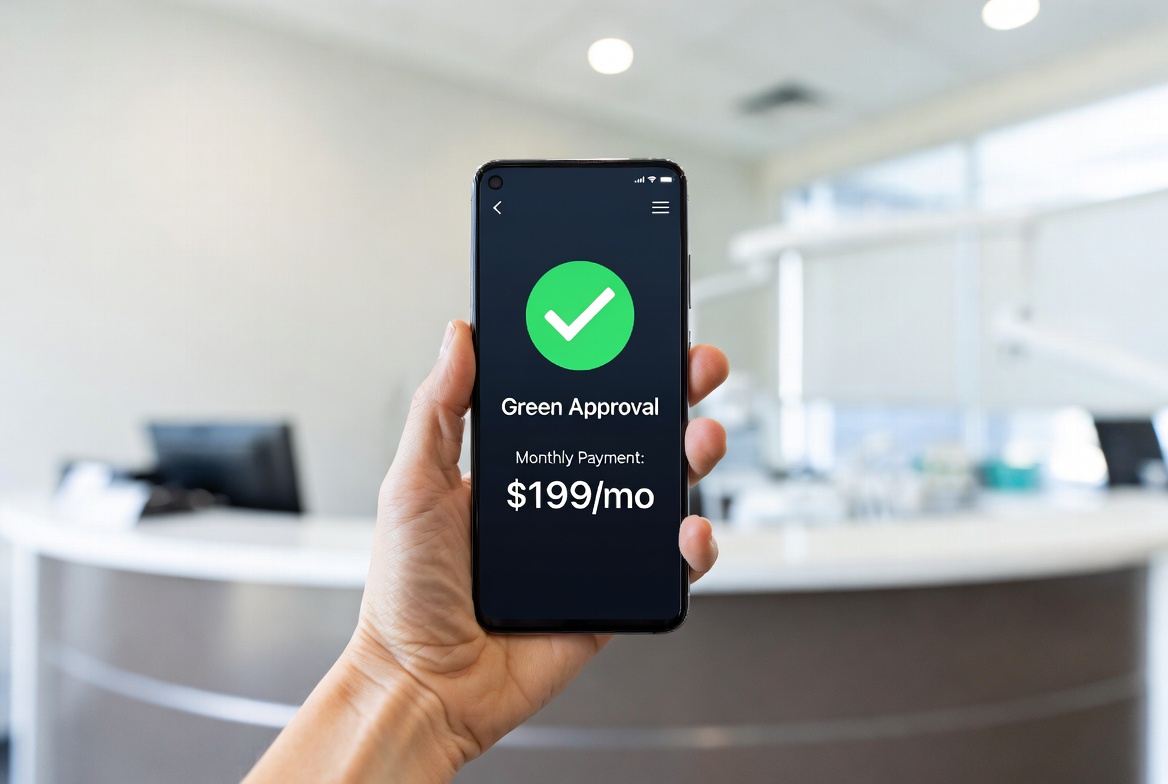
- The "Top-of-Funnel" Pivot: Affordability is no longer a conversation for the consult room; it must be a feature of your marketing. Practices that omit "starting at $X/month" from social media ads and landing pages will see a decline in lead quality and volume as patients filter for price before the first call.
- Scripting for 2026: Front-office training must shift. Receptionists should be empowered to discuss financing options during the initial "discovery" call. Waiting for the Treatment Coordinator to present numbers in the chair is leading to higher "no-show" rates and "think-about-it" exits.
- Protecting EBITDA: With DSOs relying on high-value elective cases to offset stagnant insurance reimbursements, the inability to convert these cases due to financing friction is a direct threat to practice valuations and debt-service coverage ratios.
[Story]
Economic Headwinds Tighten Household Budgets
Barclays became the latest major brokerage on May 4 to abandon any expectation of Federal Reserve rate cuts this year, joining a growing consensus that the central bank will hold policy steady through the end of 2026 before delivering a single 25-basis-point reduction in March 2027. The pivot, the bank said, reflects “a higher and more prolonged oil price trajectory” tied to the ongoing conflict in the Middle East that is keeping both headline and core inflation elevated.
At the same time, the University of Michigan’s April consumer survey delivered a stark warning on household psychology. Year-ahead inflation expectations jumped from 3.8% in March to 4.7% – the largest one-month increase since April 2025 – while long-run expectations edged higher to 3.5%. Consumer sentiment, already fragile, slipped further into territory last seen during the 2022 inflation peak.
The combination is simple math for families: mortgage, auto, and credit-card rates stay stubbornly high, while the cost of groceries, fuel, and everyday goods keeps rising faster than wages. Discretionary spending, especially on big-ticket items that can be financed, gets scrutinized earlier and more ruthlessly.
Patients Lead With Payment Questions
In dental offices across the country, that macroeconomic pressure is showing up in the first touchpoints of the patient journey. Receptionists and treatment coordinators report that callers who once asked only about appointment availability now want to know, within the first 60 seconds, “What would monthly payments look like for implants?” or “Do you offer financing for Invisalign?”
The pattern is most pronounced for elective and cosmetic procedures. These services are overwhelmingly financed rather than paid in cash. Industry studies show that practices presenting financing options proactively, rather than waiting for patients to raise the subject, see case-acceptance rates rise by as much as 55%.
Sunbit’s State of Dental 2026 Study, released earlier this year, underscored the shift. Practices that weave monthly-payment language into pre-appointment texts, website landing pages, and social-media ads report significantly higher show-up and conversion numbers than those that save the conversation for the operatory. Patients, the data suggest, are price-comparing before they ever sit in the chair.
Financing Becomes Table Stakes
Third-party financing partners such as CareCredit, LendingClub, and in-house programs have long been part of the dental toolkit. Yet the higher-for-longer rate environment is changing the conversation. Even promotional zero-interest offers look less attractive when patients’ overall borrowing costs are elevated, and inflation expectations have spiked. Monthly payments that once felt manageable now require earlier reassurance.
DSOs, which have aggressively expanded their footprint by standardizing operations and marketing, are particularly exposed. Many rely on high-volume elective work to offset thinner margins on insurance-driven routine care. When patients hesitate on financing, those high-value cases slip away. Independent practices face the same pressure but with fewer resources to absorb lost production.
Regulatory and Insurance Crosscurrents
The affordability squeeze arrives against a backdrop of evolving insurance dynamics. Dental insurers continue to push back on reimbursement increases, with many plans covering only a fraction of major restorative or cosmetic work. As a result, the out-of-pocket burden on patients remains heavy, amplifying the importance of transparent financing language. Meanwhile, state regulations on consumer lending and truth-in-lending disclosures require practices to be meticulous about how they present payment options – another reason to move the discussion upstream, where compliance can be handled systematically rather than in the heat of a treatment-plan presentation.
What Happens Next
Economists at Barclays and elsewhere see little relief on the horizon. Energy markets remain volatile, core inflation sticky, and the Fed unwilling to ease until progress is unambiguous. For dental operators, that means 2026 will test the ability to convert price-sensitive prospects into committed cases. The practices that succeed will be those that treat financing not as an afterthought buried in the consult but as a core feature of every patient interaction from the first click or call.